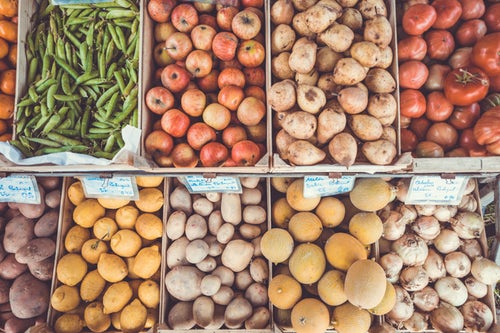
Gluten-free diets have risen in popularity in the last couple of years. This is because it is known to help reduce symptoms of irritable bowel disease, reduce bloating and help people to lose weight, plus it is the answer to those with coeliac disease. However for someone who is healthy and does not have a condition such as coeliac or IBS requiring them to cut out this protein, going gluten-free unnecessarily can compromise nutrition as more thought needs put into meals and grabbing a quick sandwich in the go is no longer possible. For those who do require to eat gluten free in order to avoid nasty symptoms, it is important to know that you may be missing out on some important nutrients and some nutrients may be poorly absorbed due to your medical condition. Below is a list of healthy foods you should be eating if you are gluten free.
B Vitamins
There are 8 B vitamins in total but the ones found in gluten filled grains are niacin, riboflavin, thiamine and folate. It is advised that B vitamins are eaten daily as they dissolve in water and can be released from the body easily. We need B vitamins as they help the body turn carbs, protein and fat into energy. If you eat gluten-free there alternative sources of vitamin B you should be eating:
Thiamine: sunflower seeds, legumes (black beans, navy beans, pulses, lentils, and oats)
Riboflavin: Soy or Edamame beans, tempeh, green leafy vegetables, yoghurt, eggs, turkey, asparagus, almonds
Niacin: tune, salmon, chicken, turkey, beef, lamb, prawns, peanuts and brown rice
Iron
Although gluten-free diets don’t tend to exclude iron, it can be poorly absorbed by a person whose small intestine has been damaged by gluten exposure or other bowel conditions. Ensure you maintain a high intake of iron from foods such as red meat, dark meat of chicken and turkey, green leafy vegetables, lentils and legumes.
Fibre
The gluten-free alternatives to wholesome wholegrain breads and cereals are highly processed and lacking in fibre. Instead you can opt for these high fibre foods:
- Wholegrain rice, buckwheat, quinoa, amaranth, millet, sorghum and steel cut oats (if you are not coeliac).
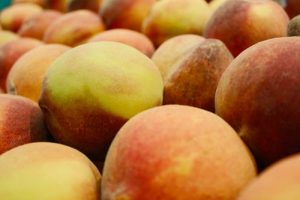
- Fruit with edible skin such as apples, peaches, nectarines and pears.
- Vegetables that can be cooked such as broccoli, cauliflower, cabbage and potato.
- Lentils, legumes and pulses
- Nuts and seeds

Sophia Blake is a culinary journalist specializing in food culture, flavors, and beverage pairings. Her work centers on providing readers with in-depth insights into cooking techniques, ingredient origins, and the artistry behind diverse culinary traditions.